
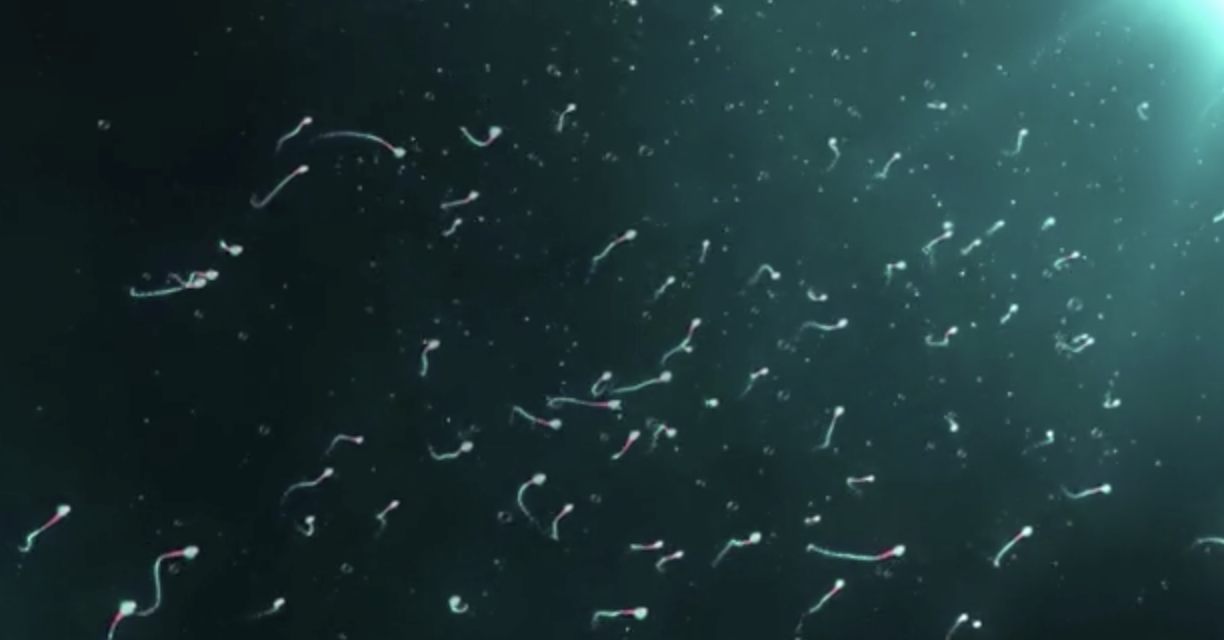
Sperm motility, an important marker of male fertility, viewed under laboratory microscopy.
Male fertility is increasingly recognised as a global health issue. Large international studies have reported a substantial decline in sperm health over recent decades, with average sperm concentration falling by around half and total sperm count declining by more than 60% between the 1970s and late 2010s. Researchers have also noted that this decline appears to have accelerated since the early 2000s.
This trend is thought to reflect broader changes in men’s health, including increased stress, environmental pollution, sedentary lifestyles, poor diet, disrupted sleep, and constant exposure to technology. Simply put, sperm health tends to mirror overall health.
The encouraging news is that sperm quality, quantity and morphology (shape) may be improved with consistent lifestyle and dietary changes, alongside supportive therapies such as acupuncture and Chinese medicine.
One important factor to keep in mind:
Sperm take approximately 3–3.5 months to mature, so any changes made today influence fertility several months down the track.
How to Support Healthy Sperm
Small, steady changes often have the biggest impact over time:
Avoid excessive heat and compression around the testicles
Avoid smoking, recreational drugs and excessive alcohol
Keep laptops off your lap and avoid carrying mobile phones in trouser pockets
Ejaculate regularly (every 2–4 days)
Wear loose-fitting cotton underwear
Stay well hydrated
Exercise regularly without overtraining
Prioritise sleep — disrupted sleep is associated with reduced sperm production
Eat a balanced, nutrient-dense diet
Reduce stress where possible and allow time for rest and recovery
From a Chinese medicine perspective, stress, poor digestion and overwork can all affect reproductive health, making nervous system regulation and adequate rest especially important.
Diet for Sperm Health
Sperm cells are particularly vulnerable to oxidative stress and inflammation. A fertility-supportive diet focuses on whole foods that nourish hormone balance, circulation and cellular health.
Foods to Prioritise
Omega-3 rich foods
Sardines, salmon, walnuts, chia seeds and flaxseeds
Support sperm motility and cell membrane integrityZinc-containing foods
Pumpkin seeds, sesame seeds, lentils and legumes
Important for testosterone production and sperm developmentAntioxidant-rich foods
Berries, pomegranate, goji berries and leafy greens
Help protect sperm from oxidative damageAdequate protein
Eggs, fish, legumes and organic poultry
Supports hormone production and tissue repairHealthy fats
Olive oil, avocado, nuts and seeds
Hormones are made from fat — overly low-fat diets are not fertility-friendly
Brazil Nuts & Sperm Health
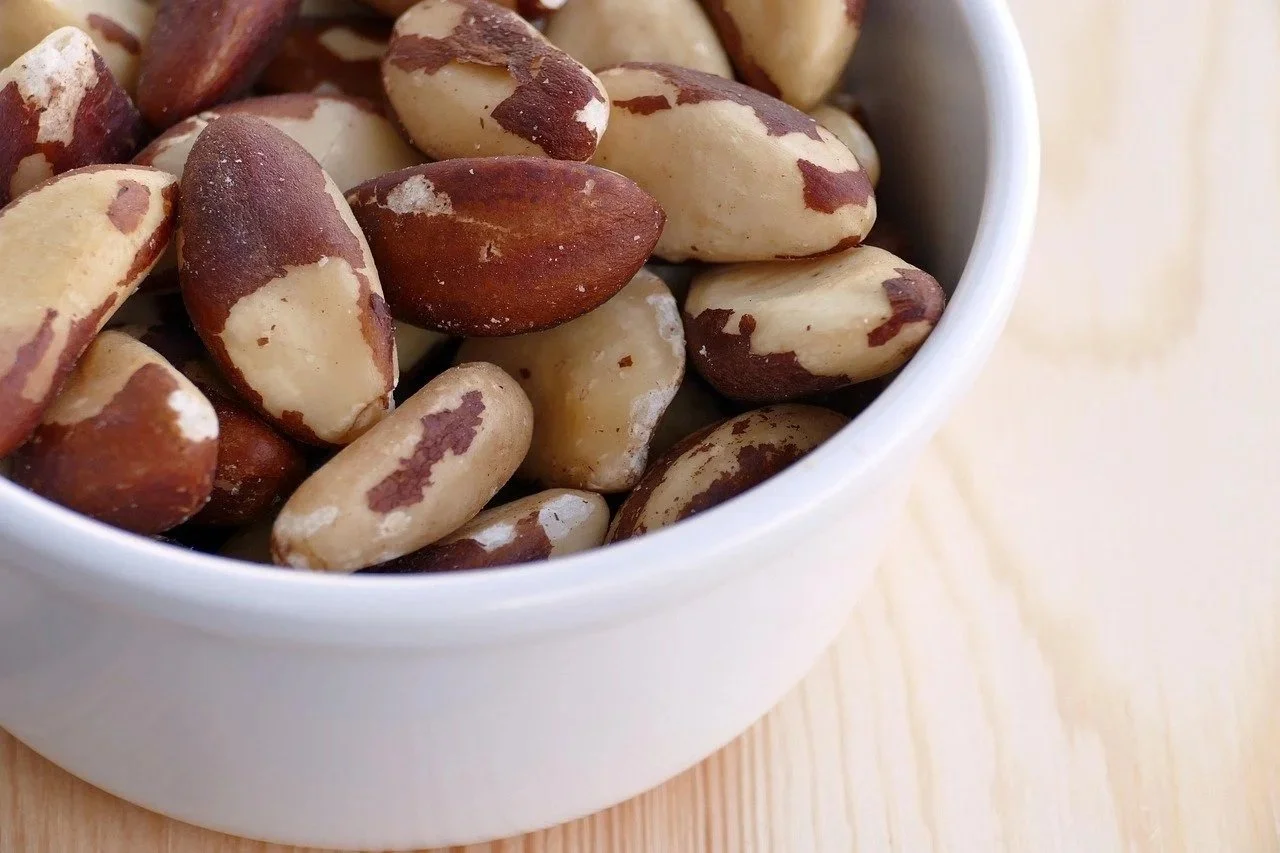
Brazil nuts are a selenium-rich food commonly included in fertility-focused diets.
Brazil nuts are one of the richest natural food sources of selenium, a trace mineral involved in sperm motility, antioxidant protection and normal testosterone metabolism.
Because sperm cells are particularly sensitive to oxidative stress, adequate selenium intake may support healthier sperm development during the maturation process.
Due to their very high selenium content, 1–2 Brazil nuts per day is generally sufficient. They are best eaten whole or chopped into meals rather than blended, as more is not better here — consistency matters more than quantity.
From a Chinese Medicine Lens
Warm, cooked meals are generally preferred, especially for digestion
Excess raw or cold foods may be reduced if digestion feels sluggish
Regular meals help support Spleen Qi, which underpins blood and reproductive health
Foods to Reduce (Temporarily)
This isn’t about restriction or perfection, but about reducing stress on the body while sperm are developing:
Highly processed foods
Excess refined sugar
Trans fats
Frequent takeaway
Excess caffeine
Highly processed soy products
How Acupuncture May Support Male Fertility
Acupuncture is commonly used to support male fertility by helping to regulate stress, improve circulation, support hormonal balance and optimise overall health. Treatments are often used alongside lifestyle and dietary changes as part of a holistic approach to reproductive wellbeing.
Because sperm development occurs over several months, acupuncture is typically recommended as a course of care rather than a one-off treatment.
Fun (and Slightly Surprising) Sperm Facts
Around 300 million sperm mature every day
Sperm are the smallest cells in the human body, while egg cells are the largest
Sperm are ejaculated at roughly 45 km per hour
They can swim about 20 cm per hour
Inside the female reproductive tract, sperm may survive for 2–3 days
Tiny cells, big responsibility.
Male Fertility Smoothie (Food-Based Support)
A simple, whole-food smoothie to support reproductive health:
Cacao nibs or cacao powder
Walnuts
Goji berries
Maca root powder (1 teaspoon)
Banana
Almond milk or coconut water
Blend until smooth and enjoy as part of a balanced diet.
Final Thoughts
Male fertility is not fixed. With consistent lifestyle changes, supplements, Chinese herbal medicine, supportive nutrition, stress management and therapies such as acupuncture, sperm health may improve over time.
Because sperm take around three months to mature, the best time to start supporting fertility is well before conception is planned. Your future health — and future family goals — benefit from the investment.